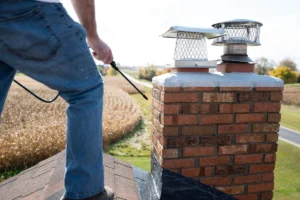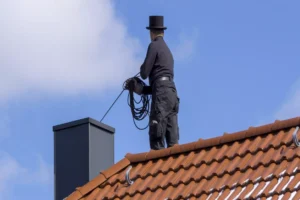
From the street, a chimney can appear straight while its upper mortar joints gradually lose strength. Loose joints, spalling brick, and an exposed crown allow rain to enter vulnerable masonry. Before considering chimney rebuilding in Plymouth, homeowners need to determine how far the damage extends instead of relying on appearance alone. Above and Beyond Chimney Service assesses structural condition before dismantling unstable sections. Its measured process is especially relevant to older South Shore houses, where restoring strength and preserving sound original brickwork deserve equal consideration.
Chimney Rebuilding in Plymouth Starts With a Structural Decision
A localized crown defect calls for a different response than displaced bricks across several courses. Before professional chimney rebuilding begins, an assessment should identify how far the weakness extends above and below the roofline. Sound masonry can often remain, while unstable sections need planned removal. This distinction helps prevent an isolated defect from turning into unnecessary demolition.
- Inspect cracking patterns across joints and adjoining bricks.
- Note leaning or loose masonry, not discoloration alone.
- Clarify which courses need removal and which can remain.
The Difference Between Targeted Restoration and a Larger Rebuild
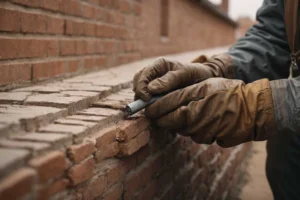
Selective tuckpointing can suit stable brickwork with localized mortar loss. More extensive rebuilding becomes appropriate when spalling, movement, or widespread weakness makes surface repair insufficient. A chimney’s age alone does not establish the required scope. For chimney rebuilding in Plymouth, the distinction comes from adjoining courses and the support beneath damaged areas.
During chimney rebuilding in Plymouth, the profile of an older stack also deserves attention. Repairs should respect the existing proportions and visible brickwork. Above and Beyond Chimney Service discusses material matching as part of its rebuilding work. A close visual relationship to the original masonry matters, but structural stability and weather resistance must guide the final repair decisions.
Professional Chimney Rebuilding Protects More Than the Brick Pattern
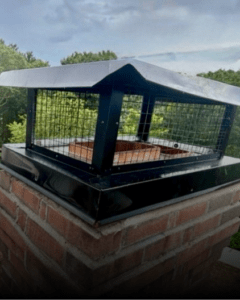
The goal of professional chimney rebuilding is a stable structure, not merely a uniform brick pattern. Reconstructed sections need properly bonded masonry, compatible mortar, and a crown capable of shedding water. Where the work meets roof covering, flashing details require attention as well. Those connections matter because a sound stack can still admit moisture through a poorly resolved junction.
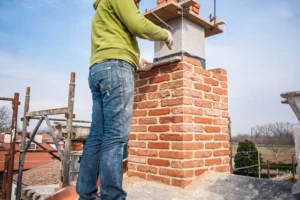
Above and Beyond Chimney Service assesses damage before carefully removing unstable masonry and rebuilding the affected sections. Its published process includes crown and flashing integration where relevant, alongside site preparation and controlled debris management. Clear stages reduce uncertainty about which materials are being replaced, and the scope should identify any additional defects discovered after unsound courses have been removed.
Scope Details That Separate Two Similar Estimates
A rebuilding proposal should identify removal limits, replacement materials, access needs, and crown or flashing work. Comparing professional chimney rebuilding estimates by price alone hides differences in scope. A written distinction between partial and complete reconstruction also indicates which undamaged sections can remain in place and which require new masonry.
| Scope element | Why it affects the work |
| Masonry removal | Remove unstable courses safely. |
| Brick and mortar | Match structural and visual needs. |
| Crown and flashing | Protect vulnerable roofline connections. |
| Access and protection | Plan safe roof access. |
Rebuilding That Respects the Home Beneath It
Reconstruction calls for restraint as much as masonry skill. Above and Beyond Chimney Service assesses the failed courses, plans careful dismantling, and integrates crown or flashing work where the rebuilding scope requires it. The objective is to establish a sound structure while retaining serviceable brickwork rather than replacing sections simply because they are old.
For a historic South Shore chimney, Above and Beyond Chimney Service also considers brick appearance and mortar compatibility during restoration planning. Its chimney rebuilding and masonry services connect structural concerns with the character of the existing house. That balance gives homeowners a clearer picture of what must change, what should remain, and how the finished chimney will meet the original structure.
Frequently Asked Questions
1. Does a cracked chimney need rebuilding?
No. Minor cracks may need targeted repair; unstable masonry can require reconstruction.
2. Can rebuilding stop at the roof?
Yes, if the masonry below the roof remains structurally sound.
3. Does rebuilding include flashing?
Inspect flashing. Replacement depends on the rebuilding scope.
4. Can new brick match older masonry?
Often. Similar brick and mortar can be sourced, but weathering affects the final match.
5. Is tuckpointing rebuilding?
No. Tuckpointing replaces mortar; rebuilding reconstructs unstable masonry sections.