An interior stain beside a chimney may appear far from the point where rain entered. Water can move along roof framing, soak into exposed masonry, and emerge only after a storm has passed. Specialists who fix leaky chimneys in Plymouth need to follow that pathway instead of treating the visible mark as the entire problem. Above and Beyond Chimney Service offers chimney inspections, flashing repair, masonry work, and waterproofing. That range permits several potential entry points to be examined before the repair scope is settled, particularly where an earlier patch failed to prevent another damp season.
Fix Leaky Chimneys in Plymouth by Following the Evidence
For leaky chimney repair, the location of an interior stain is a clue, not a complete diagnosis. Water appearing near the ceiling may originate at the chimney flashing, while moisture inside the firebox can be associated with a deteriorated crown, cap, or masonry. A useful inspection examines each relevant component and considers the timing of the leak. Wind-driven rain can expose joints that remain dry during lighter showers.
The Roof Junction Deserves Its Own Examination
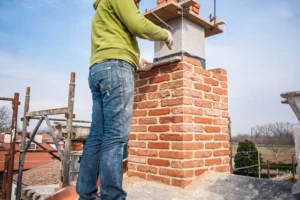
Flashing includes metal sections that connect the roof covering to the chimney masonry. Step and counter flashing must work together to guide water away from their junction. Technicians who fix leaky chimneys in Plymouth should consider warped, dislodged, or poorly fitted flashing as possible sources of infiltration. Replacing a bead of sealant without reviewing the underlying metalwork may leave the original opening uncorrected.
The Hidden Costs of Repairing Only the Visible Stain
The scope of leaky chimney repair should consider wet insulation, interior finishes, and concealed wood adjoining the chimney. A surface stain may be the final sign of moisture that has traveled through several materials. Identifying the likely source early helps prevent repeated cosmetic work on rooms that remain vulnerable to another storm. Inspection photographs can also clarify the need for related roofline or masonry repairs.
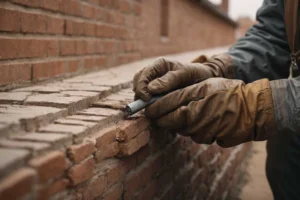
A homeowner looking to fix leaky chimneys in Plymouth should also recognize that water can damage the chimney itself. As porous mortar absorbs moisture and temperatures drop, expansion can weaken joints and brick faces. Repairs completed before deterioration spreads may preserve more original masonry. When a rebuild is necessary, the existing damage and stable sections should be documented so the scope remains proportional.
Leaky Chimney Repair Begins With More Than Sealant
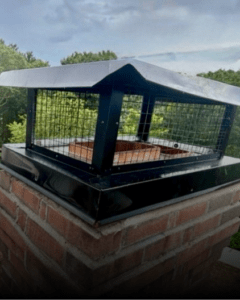
An effective leaky chimney repair plan should distinguish damaged flashing from porous joints, crown cracks, and defects around the chimney top. A surface coating applied to an unsound mortar joint cannot recreate structural strength. Similarly, renewing mortar will not correct a displaced flashing section. The best repair sequence follows the actual entry point and addresses adjacent deterioration uncovered during inspection.
- Record stain locations and the rainfall conditions preceding them.
- Observe visible damage safely without climbing onto the roof.
- Document failed patches for the inspection team.
Trace the Rain Before Committing to a Repair
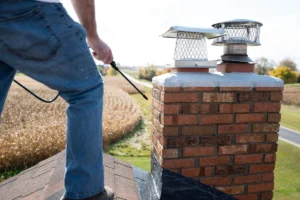
Repeated staining deserves investigation rather than another cosmetic patch. Above and Beyond Chimney Service can examine flashing, crowns, mortar, and waterproofing conditions as part of a coordinated chimney assessment. Its approach links the observed symptom to the likely rainwater pathway and gives homeowners a clearer explanation of the work proposed for that particular defect.
Once the entry point is established, Above and Beyond Chimney Service offers repair options grounded in the condition of the structure rather than a preset treatment. South Shore rain and freeze cycles place different demands on masonry and roof junctions, so the scope may involve distinct components. The aim is to address the documented fault without overlooking related deterioration or recommending work unsupported by the findings.
Frequently Asked Questions
1. Can a chimney leak only during heavy wind?
Yes. Wind-driven rain can enter openings that stay dry during calmer weather.
2. Will waterproofing solve every chimney leak?
No. Waterproofing cannot correct displaced flashing, an unsound crown, or severely damaged mortar.
3. Can roof flashing cause ceiling stains?
Yes. Water entering through flashing can follow framing before appearing as a ceiling stain.
4. Should a leaking chimney still be used?
Avoid fireplace use until a professional inspects potential water damage and confirms safe operation.
5. Does a dry firebox mean the leak is resolved?
No. Concealed materials may remain damp even when the visible firebox has dried.