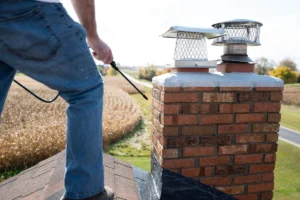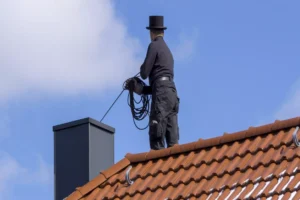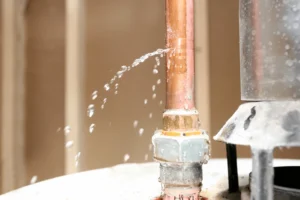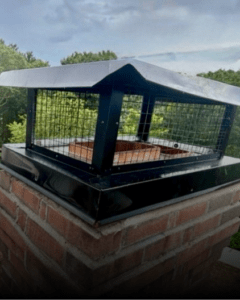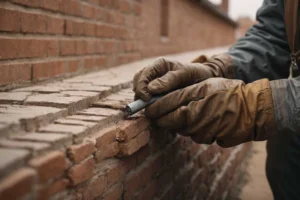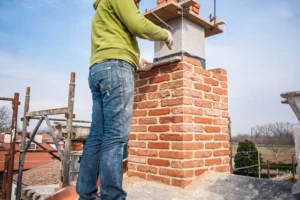
Rain, snow, melting ice, and humid coastal air can all affect exposed masonry over time. Because brick and mortar are naturally porous, they can absorb moisture even when no major crack is visible. Professional chimney waterproofing helps reduce that absorption while allowing the masonry to release trapped vapor, making it an important part of long-term chimney care.
For homeowners in Plymouth, weather exposure can be especially demanding. Moisture that enters masonry may freeze during colder temperatures, expand, and place stress on brick and mortar. Above and Beyond Chimney Service helps homeowners address these conditions with solutions designed around the chimney itself rather than relying on general-purpose exterior coatings.
Why Plymouth Chimney Waterproofing Matters in Changing Weather
Massachusetts weather can shift quickly from rain to freezing temperatures. When masonry repeatedly absorbs and releases moisture, its surface and joints can gradually weaken. Plymouth chimney waterproofing is intended to reduce the amount of water entering the masonry before those repeated cycles cause more visible deterioration.
Common moisture-related effects can include:
- Flaking or spalling brick surfaces
- Crumbling mortar joints
- White staining on exterior masonry
- Damp odors near the fireplace
- Water marks on nearby walls or ceilings
- Faster deterioration around the crown or upper chimney
Catching these signs early can help homeowners address the source of the moisture rather than only repairing its visible effects.
Chimney Waterproofing Is Different from Sealing
One common misconception is that waterproofing means covering masonry with a thick, non-breathable coating. Chimneys need a more specialized approach.
Quality chimney waterproofing treatments are designed to repel liquid water while still allowing water vapor within the masonry to escape. That balance matters because trapping moisture inside the brick can contribute to additional deterioration.
Above and Beyond Chimney Service considers the condition of the masonry before recommending treatment. If cracks, deteriorated mortar, or structural damage are present, those issues may need repair before waterproofing is applied.
What Plymouth Chimney Waterproofing Cannot Fix by Itself
Waterproofing is valuable, but it is not a substitute for every chimney repair. Moisture can enter through several areas, including damaged flashing, a deteriorated crown, open mortar joints, or missing protective components.
Before Plymouth chimney waterproofing is performed, the chimney should be evaluated for other possible entry points. In some cases, homeowners may need a combination of repairs and moisture protection.
For example, waterproofing will not correct:
- Open gaps around metal flashing
- Large cracks in the chimney crown
- Loose or missing mortar
- Broken masonry units
- Structural movement
- Missing or damaged chimney caps
Addressing these problems first helps waterproofing perform the role it was intended to handle.
When Should Chimney Waterproofing Be Considered?
Homeowners often think about moisture protection only after a leak appears, but preventive treatment can make sense before obvious damage develops. Masonry that is constantly exposed to wind-driven rain or seasonal freeze-thaw conditions can benefit from closer attention.
Professional chimney waterproofing may be worth discussing when a chimney has recently been repaired, when masonry remains structurally sound but highly exposed, or when previous moisture staining suggests water is being absorbed through exterior surfaces.
Plymouth Chimney Waterproofing Helps Protect Recent Repairs
Waterproofing can also be useful after tuckpointing, masonry restoration, or other exterior chimney work. Once damaged areas have been corrected and properly cured, moisture protection may help reduce future water penetration.
That makes Plymouth chimney waterproofing part of a broader maintenance plan rather than a stand-alone fix. The goal is to support the masonry after necessary repairs have been completed and help reduce repeated exposure to harsh weather.
Homeowners should also continue checking flashing, caps, crowns, and surrounding roof areas. Waterproofing works best when the rest of the chimney system is maintained as well.
Keep Rain Outside the Masonry, Not Inside Your Plans
Water damage often develops gradually, which makes prevention easier to overlook until brick, mortar, or interior finishes begin showing signs of trouble. Protecting sound masonry before repeated moisture exposure takes its toll can help homeowners avoid more disruptive repairs later.
Make moisture protection part of your chimney maintenance plan with Above and Beyond Chimney Service. When chimney waterproofing is paired with proper inspection and necessary repairs, your chimney is better prepared to face another Plymouth season of rain, snow, and freezing weather.